

Tales of Arise is on track to become the most successful Tales game of all time. Not only does it seem to be setting a new critical high bar for the series, its Steam launch made it the most-concurrently played JRPG, beating even the likes of Persona 4 Golden and Monster Hunter Stories 2. The game has become a critical and commercial powerhouse, and could well pave the way for the series to become a much bigger name in its genre.
Of course, few franchises achieve such success without considerable changes to their formula. Final Fantasy VII, arguably the first JRPG to achieve widespread international success, was a vast departure from its predecessors. Other big names, like Persona and Fire Emblem would eventually follow suit, trading some old traditions for more mass market appeal. Tales may not yet be at that point, but Arise is certainly a step in that direction.
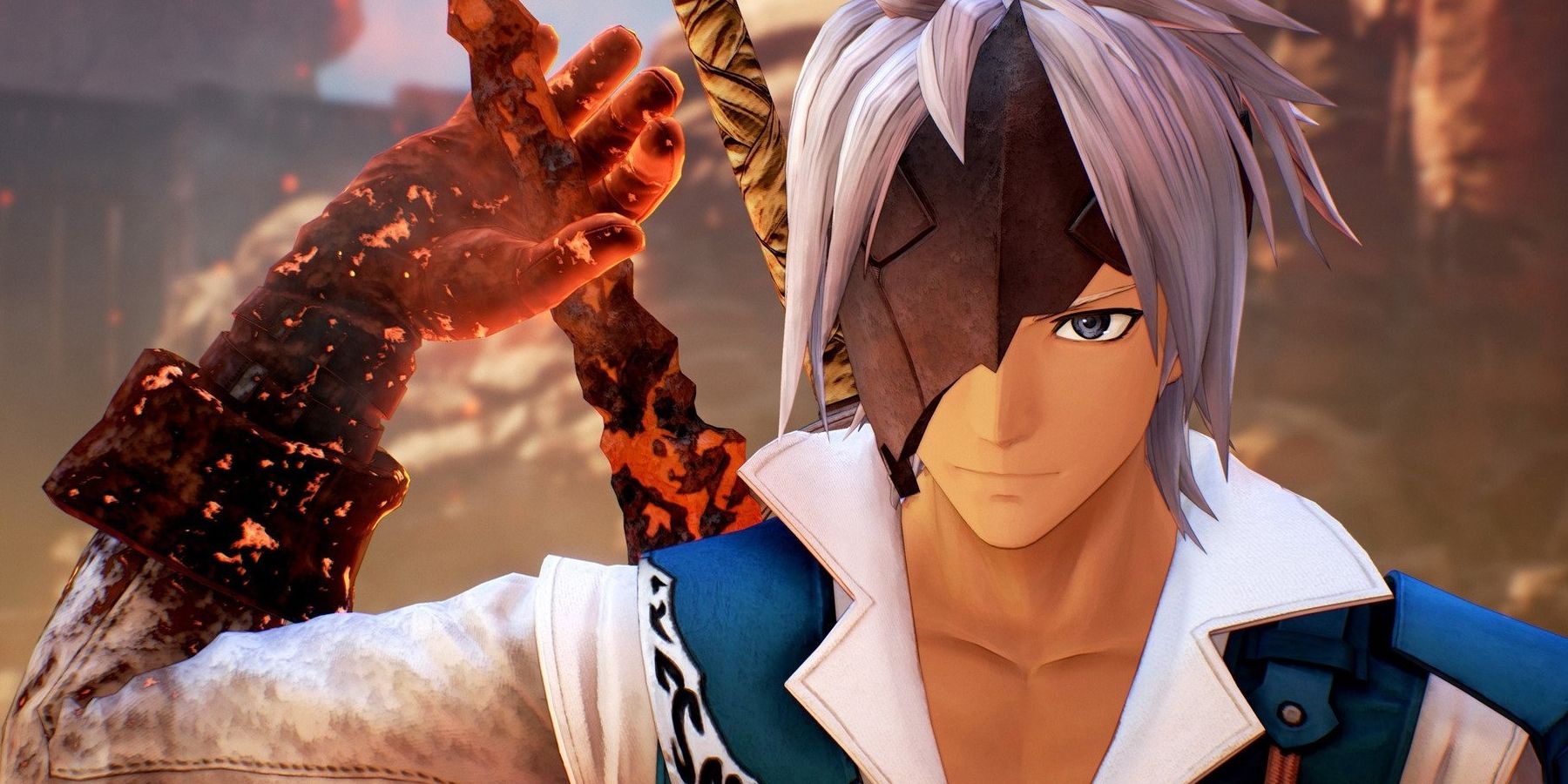
Even among fellow JRPGs, Tales has always been an odd duck. While fantasy has never been shy about exploring big ideas, Bandai Namco's contrasting combination of high-energy action and introspective, deconstructive storytelling gave its games a unique niche in the genre. However, despite being Japan's seventh best-selling JRPG series, it's never quite became a household name. This may be because its defining elements haven't always coalesced perfectly.
Each Tales game addresses themes like racism, existential dread and corrupt law enforcement. These can be morally murky narratives that demand a slower, more thoughtful approach to storytelling. However, the series' core gameplay has always been about fast-paced action. This means that, despite generally having good ideas, it's not uncommon for a tale to take abrupt turns to justify more combat-friendly sequences.
Tales of Arise's story isn't quite strong as its predecessors, but it does have a better way of telling it. The game makes it clear that it's about a slave revolt, and that its characters' freedom must be won through conflict. It's a setup simple enough that even first-time JRPG players can understand, and it primes the audience for the game's constant battles. This makes for a more natural way of letting the series' dynamic combat stand front-and-center where it belongs.
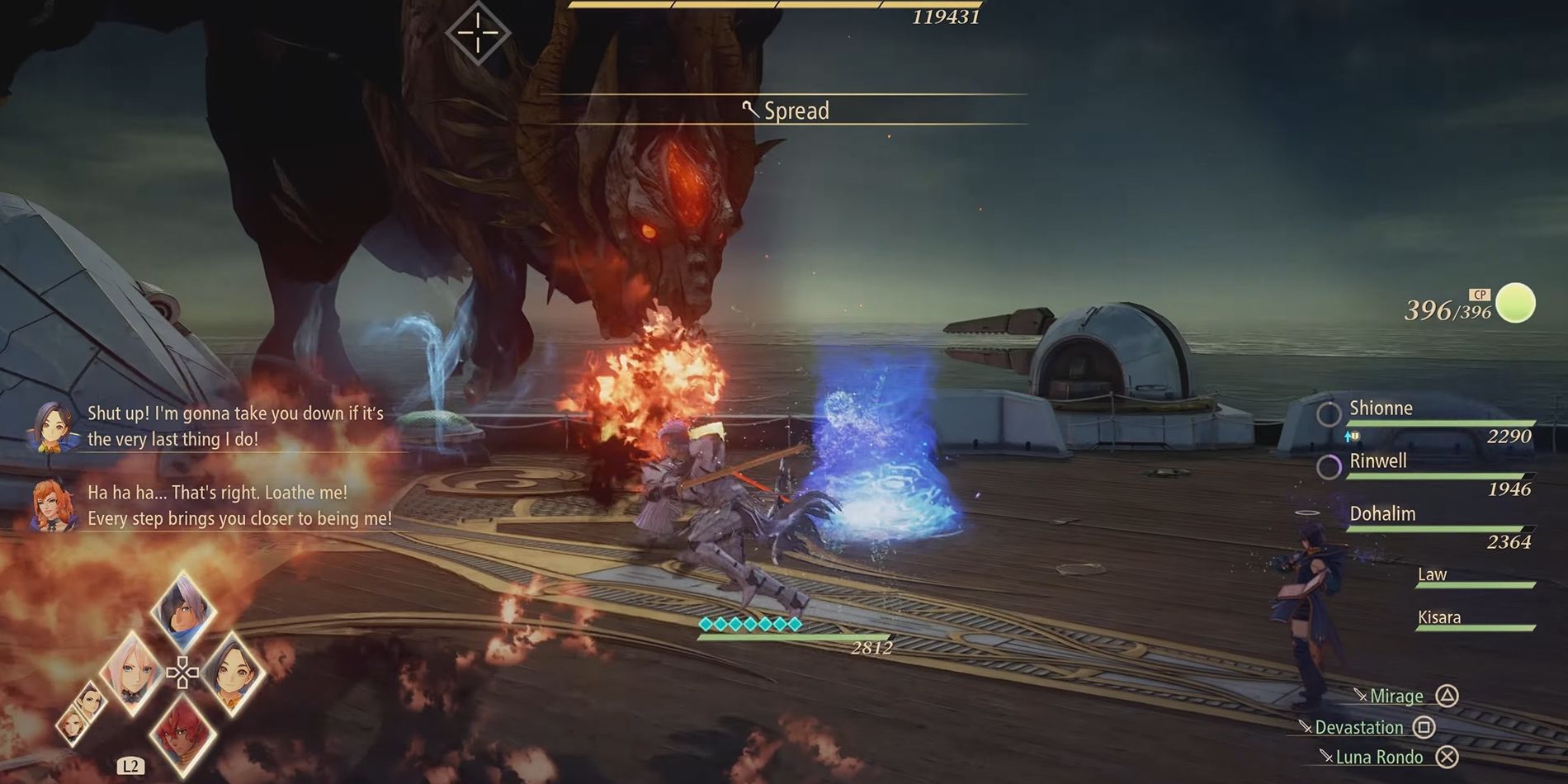
By selling Arise as more of a war story with fantasy elements, Bandai Namco has kept the game's narrative grounded in ways its predecessors sometimes weren't. Titles like Tales of Symphonia might be classics, but it's fair to say they had their moments of filler. By contrast, every aspect of Arise is laser-focused on the goal of liberation. This results in a more compact campaign but also one with a hardier core. As such, the various character arcs and side-stories can more-easily revolve around it without losing sight of the big picture.
However, while this new approach to storytelling generally succeeds in being more engaging, it's not without fault. Because Arise is always focused on getting to the next climactic battle, its villains aren't as well-developed as past foes. While each one has their own nasty way of breaking their slaves, from literally working them to death to manipulating them into fighting each other, it's all in the service of domination rather than more complex goals. As a result, they lack the nuance of earlier enemies.
Compare that to the well-intentioned extremists of the series' past. Villains like Yggdrasil and Artorius were deeply flawed, but understandable, antagonists making moral compromises in pursuit of what they believed to be the greater good. Each story confronts players with the idea that evil is not inherent, but something people can fall into through circumstance and abandoning morality in pursuit of a long-term ambition. It's a more humanizing and realistic way of characterizing villains than most JRPGs bother with, so it's a little disappointing that Arise doesn't follow suit.

Still, considering the subject matter, one could argue it's is to be expected. Arise consistently preaches the message that all people are inherently deserving of freedom. As such, any attempt to humanize fascist conquerors would have been a betrayal of that message. While the second half of the game adds a few more shades of moral gray, the game's is generally more of an optimistic rebellion than a bittersweet contemplation of ethical complexity.
This isn't to say that Arise is without depth. Each villain may be an unsympathetic tyrant, but they are like this by choice. By once again refusing to take the easy way out and blame evil on insanity, Bandai Namco has written a tale about how one's decisions define them. The second realm is an obvious microcosm of this, showing how paranoia can make people complicit in their own oppression, but it's not the only instance of this idea. Later chapters explore how refusing a choice can be just as dangerous as making a bad one, and the hero Alphen's rivalry with the evil Vholran offers a simple, but nevertheless effective, dialectic.
As for where Tales goes next, Bandai Namco is faced with the age-old question of how to balance story and gameplay. On one hand, the developers could create a more engaging and accessible game, but that could cause the narrative to suffer; on the other hand, the series could remain true to its history of introspection, though that may not appeal to as many people. Critics seem to prefer the former, praising Arise's approachable action as a major selling point. Fans, however, will likely be more split.
Tales of Arise may not have been the drastic overhaul many expected, but it's clearly done enough to get audiences excited about the series' future. It breathed new life into a well-written but aging series, and its sales and review scores are proof that Bandai Namco was successful. Now, the developers face the challenge of fusing this new dynamism with the deep storytelling that earned Tales its reputation.


0 Comments